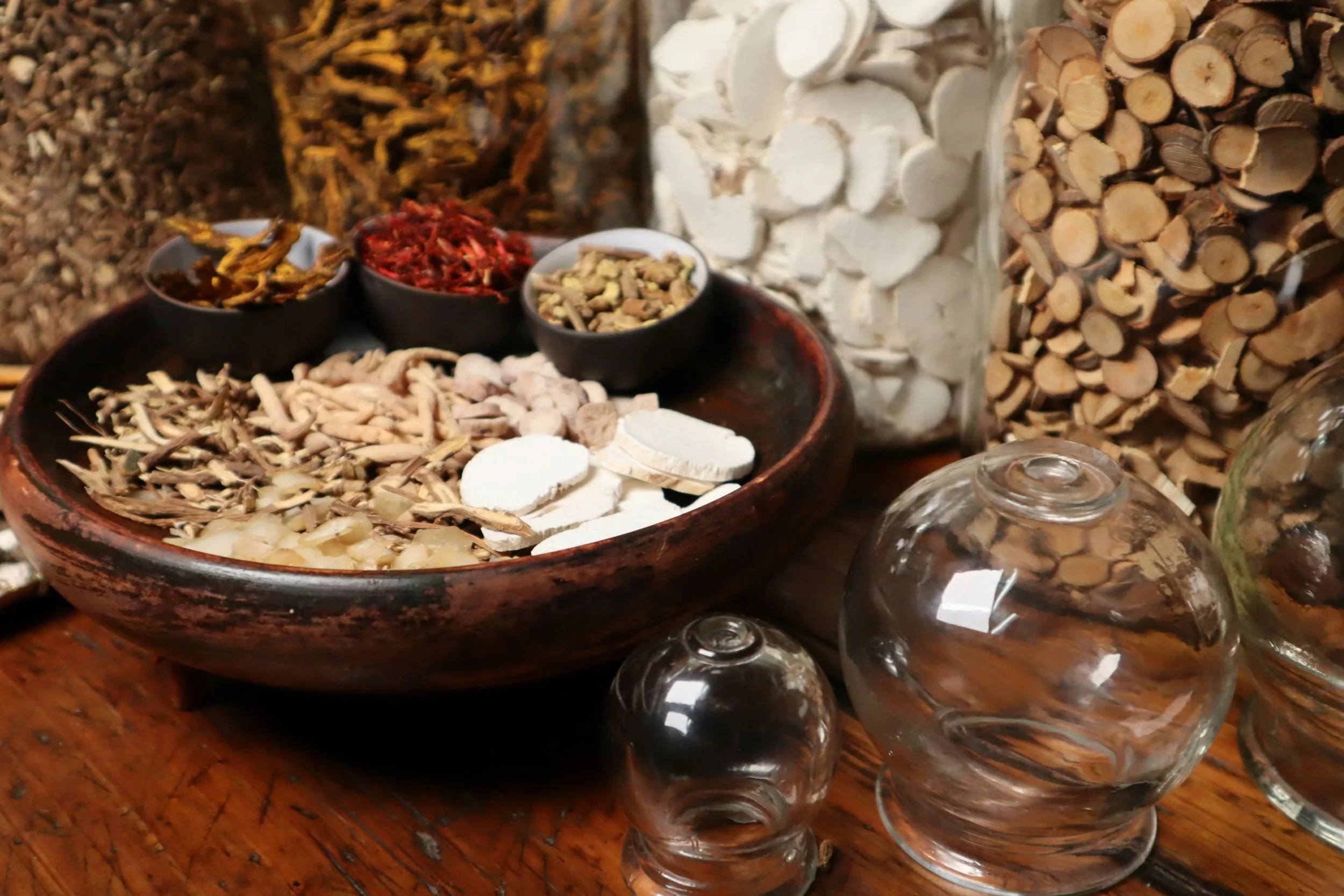
Acupuncture
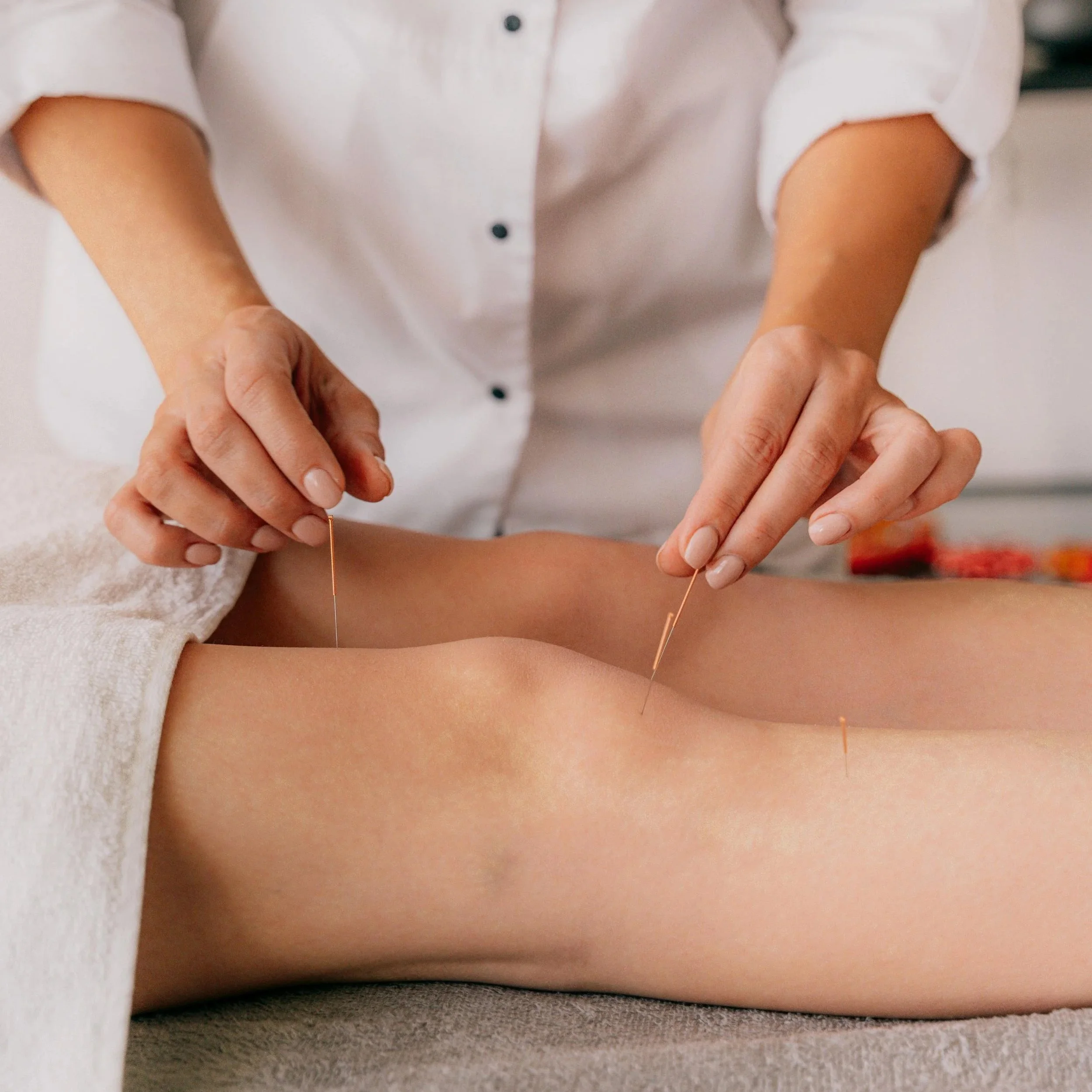
The Theory of Acupuncture
The body naturally heals itself all the time; however, according to the ancient acupuncture texts, illness, pain, and dis-ease arise from "stagnation of qi and blood". This means that pain and illness come from either a lack of movement or a lack of substance that prevents the body from healing itself. That lack of movement or substance arises from habits of body, mind, or relationship that were often the best and wisest expression of self-preservation at some point in life, but which can become a hindrance over time.
Classical Acupuncture is a very old practice of medicine that helps restore the natural rhythms of the body. In this system, the body is never perceived as a problem, and certainly not the problem. The body is not wrong, and the body does not lie. Expressions of tension, pain, and dis-ease are all ways that the body talks to us, and asks us to pay attention. Over time we can learn to listen to the body and understand its messages--to befriend the body, and so become truly at home in ourselves.
Acupuncture is a science and an art; it requires both scientific precision and an artful, expansive approach in order to understand the patterns of disharmony through the language of the body. It does not require faith to be effective, but it does require a kind of openness to possibility and change.
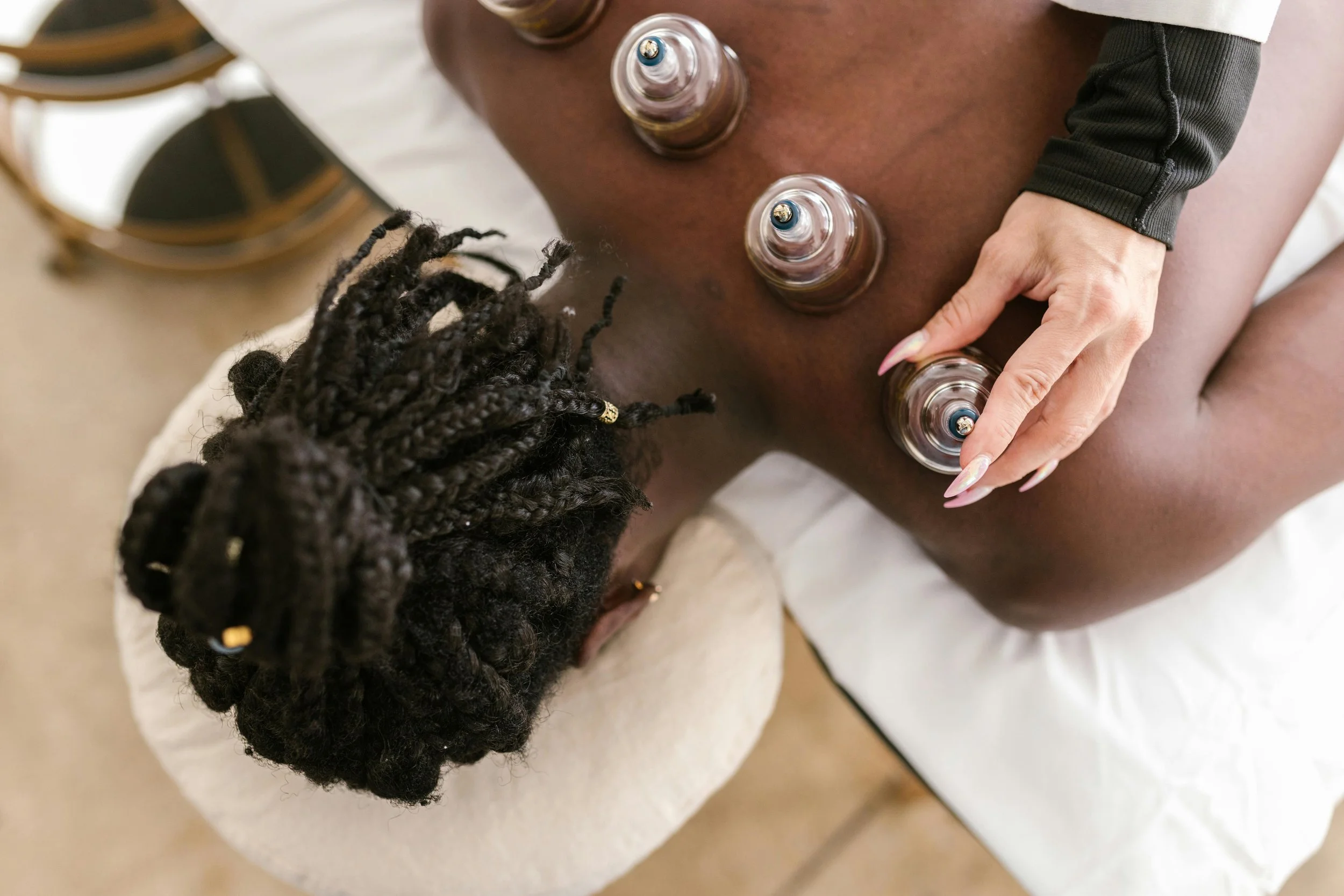
The Practice of Acupuncture
Acupuncture is well-known for treating pain, but it is not only palliative. Classical Acupuncture can address imbalances of digestion, sleep, mood, and reproductive function. It can also aid recovery from serious illness, and help return us to ourselves after a difficult or dangerous experience.
A typical treatment uses the application of acupuncture "needles" to points found along acupuncture channels; the needles are unlike sewing or hypodermic needles, but instead are thin wires approximately the thickness of a human hair. With these needles nothing is added to the body, and nothing is taken away.
It is also quite possible to have a potent and effective treatment without needles. Practitioners can also use acupressure--compression with the hands along acupuncture channels, and moxibustion, a warming technique that uses compressed charcoal and herbs, often used to nourish the digestive or reproductive organs. They also provide dietary & lifestyle counseling and can even prompt therapeutic changes by meditating on the integrity of the acupuncture channels themselves.
While acupuncture is considered to be in the realm of physical medicine, it is also more than just a physical medicine. It can and does positively affect the body, mind, heart, and spirit in complex and profound ways. By extension, it also positively affects the families, communities, and environments in which we are all naturally and inextricably embedded as individual, sovereign human beings.
In Summary
Classical Acupuncture is an astounding medicine that includes 66 original acupuncture channels. This system of practice is still taught today by stewards of the medicine--people who have carried it forward through time and space and across an entire planet in an unbroken oral lineage, for centuries. It is a great honor and a great responsibility to be a student of those stewards, and a blessing to have received utterly transformative treatments on their tables.
The purpose of acupuncture, ultimately, is for the person seeking treatment to experience more ease and joy in their body and their life. An acupuncturist is forever deepening in the practice of watching and listening for what the body shows as the impediments to healing, and then applies their training to remove those blocks to the body's natural recovery. Please reach out directly if you have questions, or would like to schedule a time to discuss your health concerns.
Melea Alexander offers acupuncture and these additional Chinese Medicine therapies.